
Nutritional Needs for Increased Egg Production in Chickens
Egg-cellent information for feeding your laying hens!
POULTRY
Jordan Terry
1/24/20242 min read
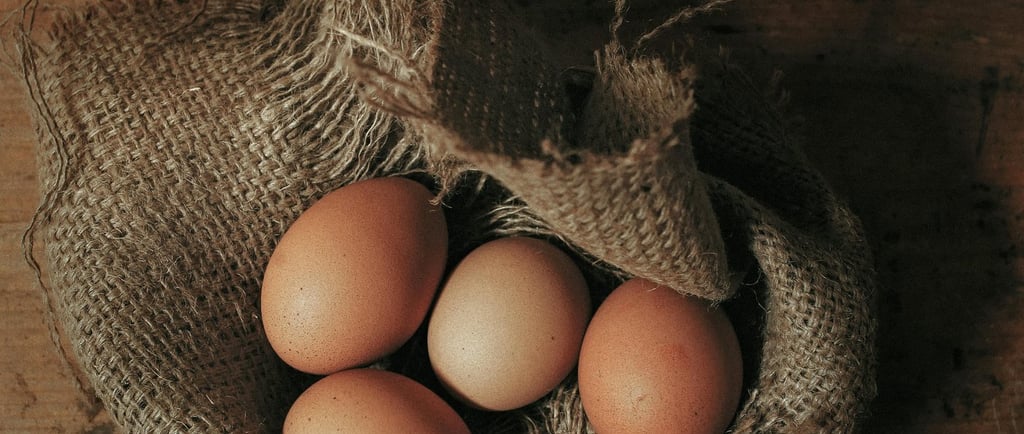
Proper nutrition is crucial for the health and well-being of your chickens, and it can have a direct impact on their egg production, growth, and overall vitality.
When it comes to feeding your chickens, a balanced diet is key. A high-quality commercial feed specifically formulated for chickens is a great starting point. These feeds are typically categorized based on the life stage of the chicken, such as starter, grower, and layer feeds. Each stage has different nutritional requirements to support the chicken's development.
Let's take a closer look at the key nutrients that chickens need:
1. Protein: Chickens require a sufficient amount of protein for growth, feather development, and egg production. Layer feeds usually contain around 16-20% protein, while starter and grower feeds have higher protein content to support rapid growth.
2. Carbohydrates: Carbohydrates provide energy for chickens. Grains like corn, wheat, and barley are commonly included in chicken feeds to meet their energy needs.
3. Fats: Fats are a concentrated source of energy and also help with the absorption of fat-soluble vitamins. However, it's important to provide fats in moderation to prevent obesity in chickens.
4. Vitamins: Chickens need a variety of vitamins for proper growth, immunity, and overall health. Vitamin A is essential for good vision and healthy skin. B vitamins play a role in metabolism and energy production. Vitamin D is important for calcium absorption, which is crucial for strong eggshells. Vitamin E acts as an antioxidant and supports reproductive health.
5. Minerals: Calcium and phosphorus are two essential minerals for chickens. Calcium is necessary for strong eggshells and bone development, while phosphorus is involved in energy metabolism. Other important minerals include potassium, magnesium, and trace minerals like iron, zinc, and copper.
In addition to commercial feeds, you can also supplement your chickens' diet with kitchen scraps, fruits, vegetables, and even insects. However, it's important to avoid feeding them anything toxic or harmful, such as chocolate, onions, or caffeine.
Remember to provide clean, fresh water to your chickens at all times. Water is essential for digestion, temperature regulation, and overall hydration.
It's worth mentioning that the nutritional needs of chickens can vary based on factors such as breed, age, and purpose (meat or egg production). Consulting with a poultry nutritionist or veterinarian can provide you with more specific recommendations.