
My Chickens Have Mites!
How chicken coops become infested with Mites and how to treat them.
POULTRY
Chickens get mites for a number of reasons.
Mites were spread by bringing a new chicken into the flock
Mites are commonly spread by wild birds
Bedding can become infected with mites
Mites can be spread by your own shoes and clothes!
Mites cause your birds to be uncomfortable, but there are things you can do to prevent them and treat them if necessary!
Detecting Mites
You may first recognize mites or lice in your broody hens. This is because broody hens spend less of their time grooming themselves or dust bathing. When your chickens are grooming themselves less, this is the time mites begin to show. Dirty Feathers and Discoloring If you are noticing that your chickens' vent feathers (the feathers under the tail around the cloaca or vent) are dirty or brown, this can be a red flag. You may also find that your birds' combs are becoming dull and there are bald spots in the feathers. Drop in Egg Production Most of the time, this is the first alert for parasites. Chicken coops with mites will produce far less eggs and the hens will feel a lot less like strutting around or scratching.
Taking a Closer Look
At this point, it is time to put a pair of gloves on and start looking. Mites are little bugs that crawl around on the surface underneath the feathers just like fleas crawl around on your dog. They are little, 8-legged, red bugs. You may see nits on the feathers. The good news is… chicken lice and human lice are not the same, and there is no risk of these parasites moving from your birds to you or any other pets.
Treating Mites and Lice
There are treatments you can buy at the store for this problem like Elector PSP. A lot of these treatments are veterinarian recommended and easy to use. I always recommend using real medicine so the problem does not become bigger, however, there are also a lot of good options for home remedies. Chickens with scaly leg mites can be noticed when the feet grow warty and scaly. You can dip the legs in warm water and Epsom salt and apply a thick layer of Vaseline over the legs. Make sure all of your bedding is cleaned out! Scoop out any shavings or hay and clean out all of your nest boxes! You can leave out Livestock seven dust and allow your chickens to dust bathe in it in the meantime. Use first Saturday lime on the dirt and ground all over the coop and run area, then reapply fresh bedding. Do not wet the bedding with sprays. You do not want hydrated lime in your coop. Repeating treatments You want to repeat any direct treatments after 7 days. This is because the nits will hatch and there will be a new batch of parasites to worry about. If needed, use bingo dabbers or paint markers to mark chickens on the head to ensure you treated each one and none of them were missed!
Preventing parasites
Dust baths are an excellent way to let your chickens do the work for you. You can fill a small kiddie pool with sand, dirt that is DRY, wood ash, and dry herbs like lavender, rosemary, mint, or thyme. Chickens enjoy dust bathing and it is good for them. This is their way of taking a shower after a long day. Laying eggs and scratching feed is hard work! It is always best practice with all animals to ensure you are cleaning their living space. Bedding should not be left long enough to become nasty. It all depends on how many birds you are keeping, but your bedding should never be completely covered in poop or smell extremely bad. If your nose burns, it is time to re-bed! Always clean your nest boxes because this is where the hens are sharing most of their space!
Another good practice is wearing a specific pair of shoes in and out of your coop. If you have a problem, you KNOW those shoes need to be cleaned and you aren't tracking eggs and bugs all over the yard. Personally, I prefer a good pair of muck boots as most of us do. Lastly, please ensure you are spending a few minutes looking at your birds. Take a look at your hens when you gather eggs and watch for tell-tale signs like bald spots and scaly feet. This is just plain, good animal husbandry. If you get a new chicken, look it over very well before letting it run around with the others, because it may have mites and soon you will be dealing with 30 birds instead of one, trust me, it's straight from the horse's mouth!
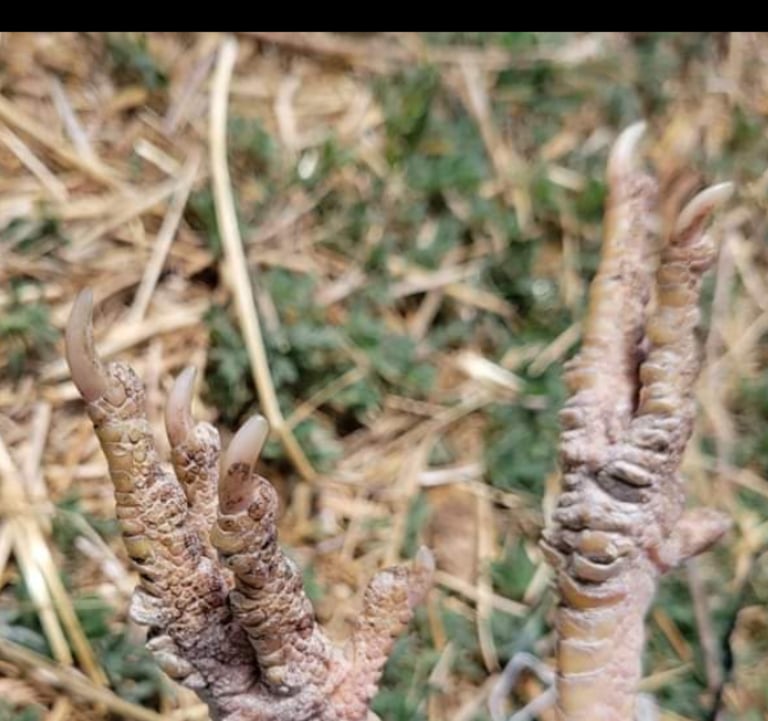
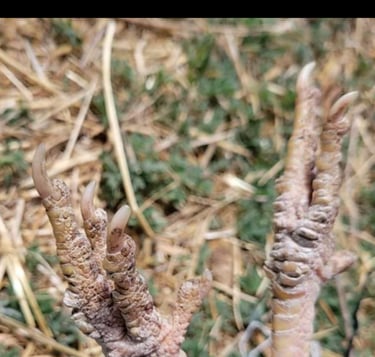
Photo Courtesy of Prairie Ruth Facebook
Powered by Zyro.com