
Equine Leg Anatomy for Beginners
Let's take a dive into the anatomy of a horse and discover the most important body part for movement.
LIVESTOCK
1/9/20243 min read
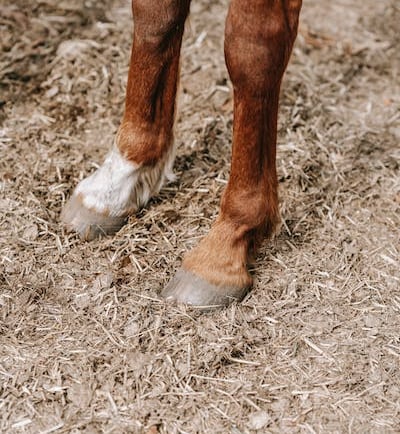
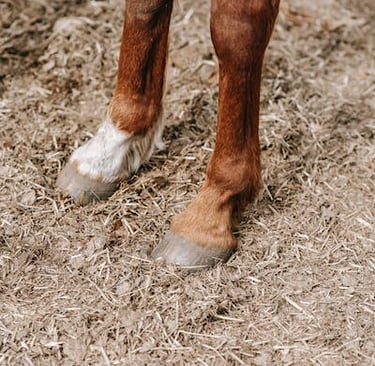
The legs of a horse are a marvel of strength, flexibility, and efficiency. Each leg is composed of several key components that work together to support the horse's weight and enable its powerful movements.
Starting from the top, we have the shoulder, which is the connection point between the forelimb and the body. The shoulder blade, or scapula, is a flat bone that provides stability and allows for a wide range of motion.
Moving down to the forearm, we find two long bones called the radius and ulna. These bones run parallel to each other and provide support and strength to the front legs. The radius is the main weight-bearing bone, while the ulna helps to stabilize the limb.
Next, we come to the knee, which is equivalent to our wrist. The horse's knee is actually made up of several small bones called carpal bones. These bones are connected by ligaments and allow for flexibility and shock absorption during movement.
Continuing down the leg, we reach the cannon bone, which is the equivalent of our forearm. This long, slender bone is incredibly strong and acts as a weight-bearing structure. It is surrounded by tendons and ligaments that provide additional support and stability.
At the bottom of the leg, we have the fetlock joint, which is equivalent to our ankle. This joint is formed by the metacarpal and proximal phalanges, or long pastern and short pastern bones. The fetlock joint allows for a wide range of motion and plays a crucial role in absorbing shock during locomotion.
Moving further down, we come to the pastern joint, which is equivalent to our knuckles. The pastern joint is formed by the proximal and middle phalanges, or long pastern and coffin bones. This joint provides flexibility and acts as a shock absorber, especially during high-impact activities like jumping.
Finally, we have the hoof, which is the horse's equivalent of our fingernails. The hoof is a hard, protective structure that surrounds the coffin bone and provides support and traction. It is made up of keratin, which grows continuously and needs regular maintenance and care.
The leg anatomy of horses is a complex and intricate system that allows these magnificent creatures to move with grace and power. Understanding the structure and function.
One common leg problem in horses is lameness. Lameness can have various causes, such as injury, arthritis, or hoof problems. It can manifest as a change in gait, reluctance to move, or swelling in the affected leg. If you notice any signs of lameness, it's essential to consult a veterinarian for a proper diagnosis and treatment plan.
Another common issue is tendon and ligament injuries. Horses rely heavily on their tendons and ligaments for support and movement. Overexertion, repetitive strain, or sudden trauma can lead to strains, tears, or even ruptures. These injuries may require rest, rehabilitation, and sometimes veterinary intervention to aid in the healing process.
Hoof problems are also prevalent among horses. Conditions like laminitis, abscesses, and hoof cracks can cause discomfort, lameness, and affect the horse's overall soundness. Regular hoof care, including proper trimming and shoeing, can help prevent and manage these issues. It's crucial to work with a knowledgeable farrier and maintain a healthy hoof care routine.
Arthritis is another concern that horses may face, especially as they age. Arthritis can cause joint inflammation, stiffness, and pain, affecting the horse's mobility and performance. Management strategies may include medication, joint supplements, controlled exercise, and maintaining a healthy weight.
Proper nutrition and exercise are essential for maintaining strong and healthy legs in horses. A balanced diet and regular exercise can help support their musculoskeletal system and reduce the risk of certain leg problems.
Remember, if you ever notice any signs of leg problems in your horse, it's always best to consult with a veterinarian. They can provide a proper diagnosis and recommend the most suitable treatment plan to ensure your horse's well-being and comfort.